
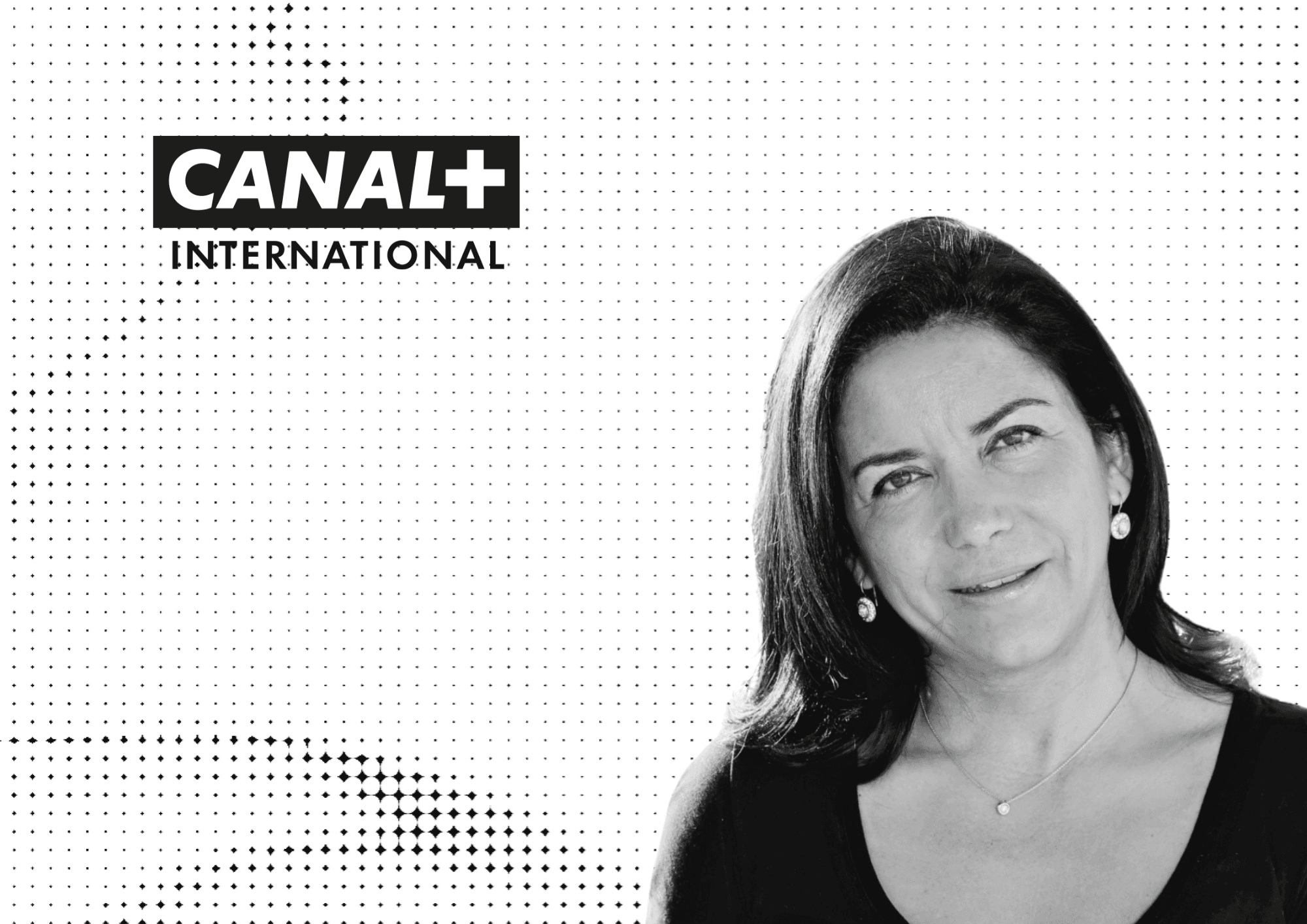
Company culture according to Clarisse Petit
The company culture can be summed up as its DNA and the way it defines and functions collectively, according to Clarisse Petit, HRD of Canal+ International.
At Canal+ International, a company marked by strong growth and presence in more than 40 countries, agility is a central value. This principle ensures smooth operation and clear distribution of responsibilities, which is a key point during merger-acquisition (M&A) operations.
Key stages of due diligence in M&A
Cultural and organizational analysis
During the due diligence (evaluation phase before an acquisition), the Canal+ International team follows a structured methodology to analyze cultural and organizational differences. Here are the main steps:
Face-to-face meetings: Assess how the target company's leaders interpret and present their key data (financial, HR, etc.).
Geographic reference checks: Examine the impact of cultural differences by relying on employees with international experience.
Office visits and meetings with the board: Observe interactions between teams to evaluate the mode of operation.
Key point: When a company is radically different, belongs to an investment fund, or adopts an opposing structure, integration is more complex.
Post-merger integration strategy (PMI)
To achieve successful integration, Canal+ International relies on a progressive strategy, ensuring that each collaborator finds their place in the organization.
Retaining managers in the acquired company
The presence of local managers post-acquisition is pivotal. Their expertise reassures teams and eases the transition.
Advice: Allowing cultures to coexist for a transitional period can be beneficial, but it must be decided during the due diligence phase.
Key moments of the integration path
Meetings to onboard teams: Presentations by Canal+ International leaders to expose the strategic vision and answer questions from integrated teams.
Meetings on processes: Collaboration between the business teams of both entities to align practices.
Collective rituals: Organizing business seminars to encourage integration and collaborative work.
Regular HR points: Synchronization of HR practices and dissemination of values through managerial training.
Cultural and human challenges in M&A
Adapting approaches according to local specificities
Cultural differences, such as the relationship to time or modes of communication, must be anticipated. Finding a common framework is essential to promote collaboration.
The importance of the human aspect in merger-acquisitions
Clarisse Petit: «During an M&A operation, we are facing men and women defending their jobs. Being in contact with these people early in the process is essential to understand their expectations and their degree of mistrust.»
FAQ – Answers to common questions about cultural integration in M&A
Why analyze company culture before a merger?
Culture directly influences collaboration, productivity, and post-merger engagement. An in-depth analysis identifies challenges and potential synergies.
How to integrate teams from a different culture?
Involve local managers.
Organize cultural training.
Set up collaborative rituals.
What are the main challenges of merging two cultures?
Lack of adaptation to cultural differences.
Mistrust from acquired teams.
Absence of a common framework for key processes.
Key lessons from Clarisse Petit
Each M&A operation is unique: it requires constant adaptation.
Do not underestimate the importance of the human aspect in the process.
Keeping local managers in the integrated company is key to success.
Conclusion
The insights from Clarisse Petit highlight the importance of a human and structured approach in merger-acquisitions. Canal+ International demonstrates that success lies in gradual integration, taking cultural specificities into account.
For more advice on M&A management and cultural integration, subscribe to our newsletter.